
Table of Contents
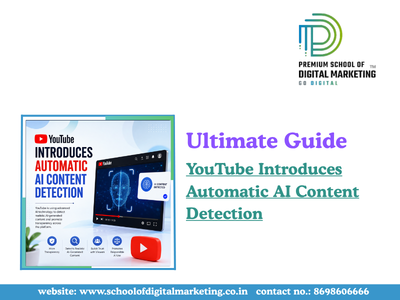
YouTube is rolling out a new feature that automatically detects AI-generated content, aiming to boost transparency and help viewers spot synthetic media more easily. As artificial intelligence becomes a go-to tool for crafting videos, images, music, and voices, it’s crucial to differentiate between genuine and AI-created content.
With this latest update, YouTube can automatically identify certain types of AI-generated videos and prompt creators to disclose when they’ve used realistic synthetic media. This initiative is all about building trust, cutting down on misinformation, and promoting responsible AI use, all while ensuring a safer viewing experience.
For creators, marketers, and businesses, it’s vital to grasp how YouTube’s AI content detection operates to stay in line with platform policies and keep audience trust intact.
What Is YouTube’s Automatic AI Content Detection?
YouTube’s automatic AI content detection is a system crafted to spot videos that feature realistic AI-generated content or synthetic media. This technology helps figure out if a video includes AI-created visuals, voices, or altered footage that could mislead viewers if not properly disclosed.
Instead of relying solely on manual disclosures, YouTube now employs automated detection methods to identify AI-generated videos and remind creators to use the right content labels when needed.
Why Did YouTube Introduce Automatic AI Content Detection?
The rapid rise of generative AI has made it easier than ever to produce realistic videos using artificial intelligence. While AI opens up exciting creative avenues, it also raises the stakes for manipulated or misleading content.
YouTube introduced automatic AI content detection to:
- Enhance transparency for viewers
- Minimize the spread of misleading AI-generated media
- Promote responsible AI usage
- Encourage accountability among creators
- Foster trust across the platform
- Assist viewers in recognizing realistic synthetic media
Want to master the latest AI-powered marketing strategies? Attend a FREE demo session at our School of Digital Marketing and discover how AI, SEO, YouTube, and content marketing are shaping the future of digital marketing. Reserve your seat now!
What Types of AI-Generated Videos Might Need Labels?
Not every video that uses AI needs a label. However, YouTube is particularly concerned about realistic AI-generated videos that could potentially confuse or mislead viewers.
Examples include:
- Deepfake interviews
- AI-generated political speeches
- Realistic voice clones of celebrities
- AI-generated news broadcasts
- Digitally recreated historical figures
- Synthetic interviews with public figures
On the other hand, simple editing tasks like color correction, background removal, or minor visual tweaks usually don’t fall into the category of misleading AI-generated media.
Does Every AI-Generated Video Need a Label?
No, not all AI-generated videos require a label. YouTube mainly calls for labels on realistic AI-generated content or synthetic media that could mislead viewers. Videos that use AI for basic editing, animation, visual effects, or creative enhancements without being deceptive typically don’t need disclosure.
Benefits of YouTube’s Automatic AI Content Detection
The rollout of automatic AI detection brings a host of benefits for creators, viewers, and advertisers alike.
For Viewers
- Enhanced transparency
- A better grasp of AI-generated media
- Less exposure to misleading videos
- Greater confidence in the authenticity of videos
For Creators
- Clearer adherence to YouTube policies
- Boosted audience trust
- Responsible use of AI-generated content
- Improved long-term credibility
For Brands
- A safer advertising environment
- Lower brand safety risks
- More reliable partnerships with creators
- Increased confidence in sponsored content
As AI-generated videos become more prevalent, transparent labeling is key to fostering a healthy ecosystem for creators.
How Should Creators Use AI-Generated Content Responsibly?
With YouTube rolling out automatic AI content detection, it’s crucial for creators to prioritize transparency and ethical practices in their content creation. Being upfront about the use of AI not only aligns with YouTube’s guidelines but also builds trust with your audience.
Best Practices for Using AI Responsibly
- Make sure to clearly disclose when a video is AI-generated, especially if prompted.
- Steer clear of creating misleading synthetic media that mimics real people or events.
- Always check YouTube’s latest AI content policies before hitting that publish button.
- Use AI as a tool to boost your creativity, not to mislead your viewers.
- Ensure that any AI-generated voices, images, and videos adhere to copyright and community standards.
- Be open about using AI-generated media in educational, news, or informational videos.
Using AI-generated media responsibly not only helps creators maintain credibility but also minimizes the chances of running into policy issues.

FAQ
Will AI Content Detection Affect YouTube Creators?
Not at all! YouTube’s automatic AI content detection isn’t meant to penalize creators for utilizing AI tools. Instead, it promotes transparency by identifying realistic AI-generated content and encouraging creators to disclose when synthetic media might shape how viewers perceive a video.
What Is Considered AI-Generated Media?
AI-generated media refers to videos, images, audio, or voices that are created or significantly altered using artificial intelligence. This includes things like AI-generated videos, cloned voices, realistic avatars, deepfakes, and other types of synthetic media that closely resemble real people or events.
Why Is YouTube Labeling AI-Generated Content?
YouTube labels AI-generated content to enhance transparency, combat misinformation, and help viewers recognize when artificial intelligence has been used to create realistic videos. These labels are designed to promote responsible content sharing.
Future of AI-Generated Videos on YouTube
The landscape of AI-generated videos is set to expand as artificial intelligence continues to advance. Future updates might bring more precise detection systems, broadened disclosure requirements, and enhanced tools for spotting synthetic media.
Future Trends
- More sophisticated automatic AI detection
- Stricter transparency standards
- Improved identification of realistic AI-generated content
- Greater emphasis on creator accountability
- Enhanced viewer awareness through AI content labels
- Ongoing innovation in ethical AI-driven content creation
As AI technology progresses, maintaining transparency will be crucial for building trust between creators and their audiences.
Conclusion
With the rollout of automatic AI content detection, YouTube is making significant strides toward enhancing transparency in this era of artificial intelligence. By pinpointing realistic AI-generated content, AI-generated videos, and synthetic media, YouTube aims to foster a more trustworthy environment for both creators and viewers.
For content creators and businesses, the takeaway is clear: while AI is a powerful creative , responsible disclosure is key.