

Table of Contents
Quick Definition
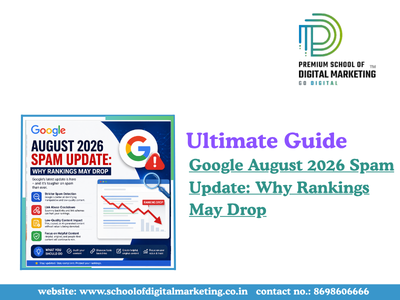
The Google August 2026 spam update targets low-quality, AI-generated, and manipulative content that violates search quality guidelines. This core update removes websites relying on thin content, link schemes, and spam tactics from search results. Sites practicing legitimate SEO may see fluctuations, but quality-first pages typically recover or gain visibility.
Introduction
Google rolled out a significant spam update in August 2026 that shook the search landscape. Website owners woke up to dramatic ranking drops, traffic crashes, and questions about what went wrong. But here’s the thing this update wasn’t random. It targeted specific spam patterns that have plagued search results for years.
If your traffic tanked overnight, you’re not alone. Thousands of websites experienced ranking volatility. The good news? Understanding what triggered the drop is your first step to recovery. This guide breaks down exactly what the August 2026 spam update changed and how to protect your site.
What Is the Google August 2026 Spam Update?
The August 2026 spam update is Google’s aggressive effort to eliminate manipulative SEO tactics and low-quality content from search results. Unlike previous updates, this one specifically targeted:
- AI-generated spam created solely for search engine rankings
- Thin content with little original value or expertise
- Link spam and unnatural link patterns
- Cloaking techniques and hidden text
- Doorway pages designed to redirect users artificially
Google’s core algorithm now evaluates content authenticity and user experience more rigorously. The update affects sites across all industries, but particularly impacts fashion, finance, health, and e-commerce niches where spam is prevalent.
Worried About Your Rankings After Google’s August 2026 Spam Update? Learn how modern SEO, AI search, and Google algorithm updates are changing digital marketing. Explore our Best Digital Marketing Courses in Mumbai and build practical, industry-ready skills.
Why Did Your Rankings Drop After the August 2026 Update?
Common Reasons for Ranking Loss
Your site may have experienced ranking drops due to:
- Over-Reliance on AI Content Sites using unedited, AI-generated articles without human review were hit hardest. Google’s systems now detect AI patterns through writing style, structure, and semantic gaps.
- Thin Content Issues Pages with 300-400 words offering nothing beyond basic information faced demotions. Google prioritizes depth, expertise, and original insights.
- Unnatural Link Profiles Websites with suspicious backlinks from private blog networks (PBNs), footer links, or low-quality directories lost authority signals.
- Keyword Stuffing Over-optimization with repetitive keywords even at natural-looking densities triggered spam filters.
- Duplicated Content Across Multiple Pages Sites republishing identical content on different URLs for ranking multiple keywords were penalized.
- Poor User Experience Signals High bounce rates, low time-on-page, and excessive ads frustrated users. Google’s ranking system now weights these metrics heavily.
How the August 2026 Spam Update Works
Detection Mechanisms
Google’s updated spam detection uses:
- Content Quality Analysis: Evaluates originality, expertise, and user-first approach
- Link Authority Verification: Cross-references backlinks with domain history and relevance
- User Behavior Signals: Monitors click-through rates, dwell time, and engagement
- AI Detection: Identifies AI-generated content through linguistic patterns
- E-E-A-T Evaluation: Stricter assessment of Experience, Expertise, Authoritativeness, and Trustworthiness
These mechanisms work simultaneously, creating a comprehensive spam-detection system that’s difficult to game.
Keep Learning With Us
Explore our latest blogs for useful insights, tips, trends, and strategies across digital marketing and SEO. How Claude Marks AI-Generated Content: What You Actually Need to Know
Key Characteristics of Sites Affected by the Update
Sites That Lost Rankings Typically Had:
| Characteristic | What Happened |
| Bulk AI Content | Rapidly published articles without human editing |
| Thin Content | Pages with minimal original information |
| Spam Links | Backlinks from low-quality, irrelevant sources |
| High Ad Density | More ads visible above the fold than content |
| No Author Info | Missing bylines or author expertise signals |
| Duplicate Pages | Similar content across multiple URLs |
| Cloaking | Different content shown to Google vs. users |
How to Recover from the August 2026 Spam Update
Step-by-Step Recovery Plan
Step 1: Audit Your Content Review every page on your site. Ask yourself:
- Does this page provide unique value?
- Would I link to this content if I found it elsewhere?
- Is it written for humans first, search engines second?
Step 2: Remove or Rewrite Low-Quality Pages Delete thin content or substantially improve it with:
- Original research or data
- Expert insights and case studies
- Comprehensive topic coverage (2,000+ words for competitive topics)
- Real-world examples and actionable advice
Step 3: Fix Your Link Profile Conduct a backlink audit using tools like SEMrush or Ahrefs. Create a disavow file for:
- Links from unrelated, low-quality websites
- Links with exact-match anchor text overload
- Links from link-buying networks
Step 4: Enhance E-E-A-T Signals
- Add author bios with credentials
- Include certifications and awards
- Link to author profiles on authoritative platforms
- Create about pages that establish trustworthiness
Step 5: Improve User Experience
- Reduce above-the-fold ads
- Improve page load speed to under 3 seconds
- Ensure mobile responsiveness
- Add clear navigation and internal links
What Google Says About the August 2026 Update
Google’s official guidance emphasizes: “This update focuses on removing content that violates our spam policies. Sites that prioritize helpful, original, and user-focused content won’t be negatively affected.” The search giant also noted that recovery typically takes 1-2 months after implementing fixes, depending on your site’s scale and update history.
Best Practices to Avoid Future Spam Penalties
Content Strategy Checklist
- ✅ Write for humans first, search engines second
- ✅ Create original content backed by research
- ✅ Publish 2,000-3,000 word comprehensive guides
- ✅ Include original data, surveys, or case studies
- ✅ Add author expertise and credentials
- ✅ Update existing content regularly
- ✅ Ensure every page has a clear, specific purpose
- ✅ Use human editing before publishing
- ✅ Avoid keyword stuffing aim for natural density (0.8-1.5%)
- ✅ Build links through outreach and relationship-building only
Link-Building Best Practices
- Earn links through genuinely valuable content
- Guest post on relevant, authoritative sites
- Participate in industry discussions and interviews
- Build relationships with journalists and influencers
- Create linkable assets (infographics, studies, tools)
- Never buy links or use private blog networks
Frequently Asked Questions
Q.1 : Will my site recover if it was hit by the August 2026 update?
Ans : Yes. Recovery is possible by fixing underlying issues improving content quality, removing spam links, and rebuilding E-E-A-T signals. Most sites see recovery within 4-8 weeks.
Q.2 : How long does Google take to re-index changes after I fix my site?
Ans : Google typically re-crawls sites within 1-2 weeks. However, ranking changes may take 4-6 weeks to fully reflect in search results.
Q.3 : Is all AI-generated content penalized by the update?
Ans : No. AI-written content is acceptable if it’s helpful, original, human-reviewed, and follows Google’s guidelines. The update targets low-quality, thin AI content published at scale.
Q.4 : Should I remove all AI content from my site?
Ans : Not necessarily. Rewrite AI-generated articles to add original insights, examples, and expertise. Make them genuinely helpful and unique.
Q.5 : How do I know if my site was impacted?
Ans : Check Google Search Console for ranking drops coinciding with August 2026. Use Google Analytics to compare traffic before and after August 1st.
Q.6 : What’s the difference between this update and previous core updates?
Ans : The August 2026 update specifically targets spam tactics, whereas previous core updates focused on broader quality signals. This update is more aggressive against manipulative practices.
Key Takeaways
The Google August 2026 spam update isn’t a penalty for legitimate SEO it’s a cleanup operation. Quality-first websites with original content, strong E-E-A-T signals, and natural backlinks are unaffected or even rewarded.
Focus on creating content that genuinely helps your audience, building authority through expertise, and earning links naturally. Avoid shortcuts. The sites ranking highest after this update share one thing in common: they prioritize users over search engines.